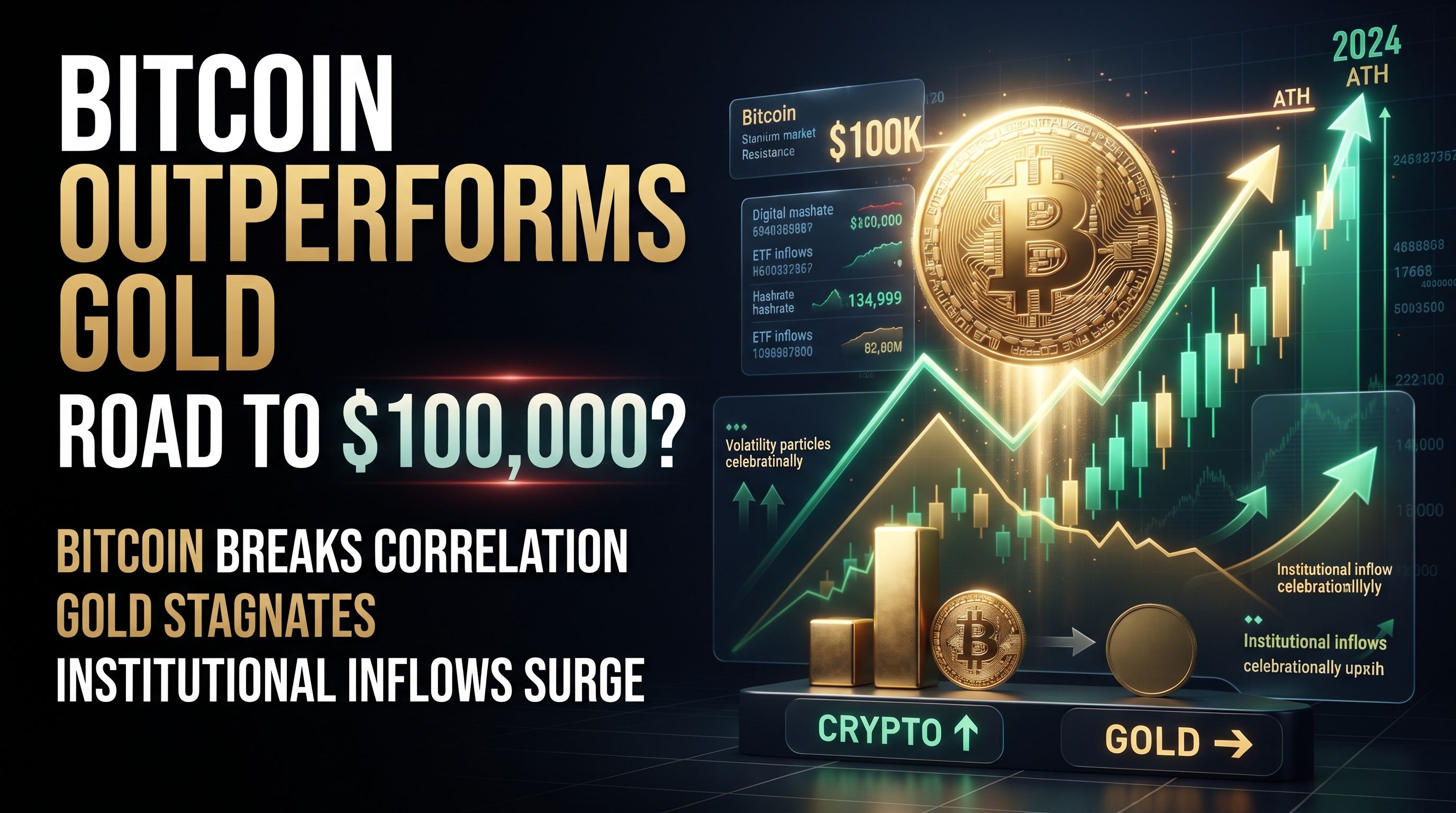
Solana (SOL) Price News: Outperforms BTC, Poised to Follow Ether’s 200% Rally
Solana (SOL) is outperforming Bitcoin and could follow Ethereum’s 200% rally. With rising ETF demand and token creation via SolsMint, SOL’s growth looks strong.

Key takeaways
- Solana and Bitcoin are different products: settlement network versus monetary asset.
- Active addresses, stablecoin supply, DEX volume, and fees lead price, not the reverse.
- Price rising while all four fundamentals are flat usually signals leverage, not demand.
- Solana outperforms Bitcoin when on-chain activity expands and risk appetite returns.
- Treat any rally target as a scenario to plan around, not a forecast to trade on.
Introduction
Solana (SOL) is once again in the spotlight as it outperforms Bitcoin (BTC) and gains momentum across the crypto market. With strong demand from ETFs and treasury allocations, analysts believe Solana may soon follow Ethereum’s remarkable 200% rally.
This surge is not just about speculation—it’s fueled by Solana’s high-speed blockchain, low fees, and growing ecosystem of token creators, DeFi projects, and NFT platforms. Tools like solsmint– the easiest Solana token creator platform – are making it even simpler for anyone to create tokens on Solana, further boosting adoption and demand for SOL.
Why is Solana Outperforming Bitcoin?
Unlike Bitcoin, which mainly serves as a store of value, Solana powers a wide range of Web3 projects. Its ability to process thousands of transactions per second with minimal fees makes it an attractive choice for:
-
DeFi developers
-
NFT marketplaces
-
Token creation platforms like solsmint Businesses launching reward or brand tokens
This practical use case explains why investors are betting on Solana’s future, especially with ETFs and treasuries now considering SOL as part of their portfolios.
Solana Price Forecast – Could It Match Ether’s 200% Rally?
Ethereum’s 200% growth after institutional adoption sets a precedent. If Solana follows the same path, analysts predict:
-
2025: $200–$250
-
2026: $300–$400
-
2027: $500+ if adoption accelerates
-
2030: $700–$1,000 in a full bullish cycle
With increasing demand to create Solana tokens instantly through platforms like solsmint, the ecosystem is expanding daily—supporting higher valuations in the long run.
The Role of Token Creation in Solana’s Growth
One major growth driver for Solana is token creation. Traditionally, developers had to use commands like SPL token create token command. Now, with the solsmint token creator, anyone can:
-
Create Solana tokens instantly
-
Launch memecoins, reward tokens, or DeFi assets
-
Deploy without coding skills
-
Customize supply, decimals, and authority
This ease of use means more projects will launch on Solana, increasing demand for SOL and strengthening its price outlook.
Final Thoughts
Solana’s strong performance against Bitcoin signals a shift in market focus toward blockchains with real utility and fast adoption. With institutional demand rising and platforms like solsmint making token creation seamless, Solana may very well follow Ethereum’s path and deliver massive returns in the coming years.
Whether you’re an investor or a builder looking to create your token at solsmint Solana’s ecosystem is positioned for long-term success.
Why SOL is outpacing BTC in this cycle
Bitcoin and Solana do different jobs. Bitcoin is a monetary asset held for its scarcity and liquidity. Solana is infrastructure whose value depends on how much activity happens on it. That difference explains why SOL can outperform BTC during periods of on-chain expansion.
Utility versus store of value
When risk appetite returns, capital tends to rotate from the safest asset toward assets with higher beta and clearer growth narratives. Solana's growth narrative is measurable: fees, active addresses, stablecoin supply, and application revenue.
ETF and treasury demand
Spot ETF approvals and corporate treasury purchases bring a new class of holder that buys spot and often does not sell. This reduces float and creates a persistent bid that a purely speculative rally does not have.
Price scenarios, not predictions
- Base case: continued adoption with moderate inflows.
- Bull case: a full ETF cycle plus a broad altseason.
- Bear case: macro tightening or a regulatory setback.
Treat these as scenarios to plan around, not forecasts to trade on.
The risk that matters
The largest risk is not technical, it is cyclical. Solana has corrected more than 50% multiple times while its fundamentals kept improving. Anyone using SOL for token launches should size positions so a drawdown does not force a sale of long-term holdings.
Build during strength
Bull markets are the cheapest time to attract attention. Launch with the token creator, then use airdrops and liquidity to convert that attention into holders.
Solana price news: the on-chain metrics that lead price
Price is a lagging indicator of demand. The metrics that move first are daily active addresses, stablecoin supply, DEX volume, and fees paid. When those four rise together, SOL usually follows. When price rises while all four are flat, the move is usually driven by leverage and tends to reverse.
Solana versus Bitcoin: two different products, not two versions of one
Bitcoin competes as a monetary asset, whose main job is to hold value. Solana competes as a settlement network, whose value depends on how much activity it processes. That is why a strong Ethereum or Solana rally can happen while Bitcoin is flat, and it is why comparing the two on price alone misses the point.
Solana price news: what a 200% move would require
A rally of that size needs three things at once: sustained net inflows into spot products, a broad return of risk appetite across crypto, and a visible increase in on-chain revenue. Two of the three are already improving. The missing piece is usually a general market expansion, which is outside any single project's control.
FAQ: Solana price news and SOL forecast
Will SOL outperform Bitcoin again? Historically Solana outperforms Bitcoin when on-chain activity expands and risk appetite returns, and underperforms in risk-off periods.
Is SOL a good long-term hold? That depends on your risk tolerance. SOL has repeatedly drawn down more than 50% while its network usage grew.
What can I build while waiting? Launch now with the Solana token creator so a working project exists when demand returns.
Solana forecast inputs to track
| Input | Where to find it | Why it matters |
|---|---|---|
| Active addresses | Chain explorers | Real usage |
| Stablecoin supply | DeFi dashboards | Deployable capital |
| DEX volume | Aggregators | Trading demand |
| ETF net creations | Issuer data | Institutional bid |
Comparing SOL and BTC exposure for a portfolio
A portfolio can hold both without contradiction. Bitcoin usually provides lower volatility and a store-of-value role; Solana provides higher beta and a growth role. The right mix depends on your horizon and your tolerance for drawdown, not on which asset had the better month.
If you would rather build than buy, the barrier is low. Use the Solana token creator to launch in minutes, then follow the liquidity guide so your token has a real market from day one.
Bottom line on Solana's outperformance
SOL outperforms Bitcoin whenever on-chain activity expands and risk appetite returns, and it underperforms in risk-off markets. That is a feature of what Solana is, not a flaw. It means the asset is a growth instrument rather than a defensive one.
Treat it as such in your allocation, and separate investing from building. If you want to build, the entry cost is trivial: launch with the Solana token creator and follow the creation guide so you make the important decisions correctly the first time.
Continue reading
Disclaimer: This article is for information and education only and is not financial, investment, or tax advice. Crypto assets are volatile and you can lose money. Always verify token authorities and contract details yourself before interacting with any asset.

About Solsmint
Solsmint publishes hands-on guides about Solana, SPL tokens, DeFi, and NFTs based on direct use of the tools described. Every article names its author and dates, and corrections are reviewed after a request via our contact page. Read more about our editorial approach.
Last updated: