AI + Crypto Integration: The Future of Blockchain Innovation
Artificial Intelligence (AI) and cryptocurrency are reshaping the future of finance and technology. The rise of AI + crypto integration brings smarter trading, enhanced security, decentralized AI marketplaces, and data transparency on blockchain.

Artificial Intelligence (AI) and Cryptocurrency are two of the fastest-growing technologies in the world. When combined, they have the power to reshape the future of finance, data security, and decentralized innovation. The rise of AI + crypto integration is not just a buzzword – it is already driving real-world use cases, from AI-powered crypto trading to blockchain-based machine learning models.
In this article, we will explore how AI and blockchain integration is changing the digital economy, the opportunities it creates, and why it is becoming one of the biggest crypto trends of 2025.
Why AI + Crypto Integration Matters
The fusion of artificial intelligence and blockchain offers unique benefits:
-
Data Transparency: Blockchain ensures data integrity while AI analyzes large datasets.
-
Automation: AI enables predictive models for DeFi protocols and crypto trading bots.
-
Security: AI can detect suspicious activity while blockchain makes data immutable.
-
Scalability: Decentralized AI models can run on blockchain networks without centralized control.
This integration addresses key challenges like scalability, transparency, and trust, making it a hot topic for both crypto investors and developers.
Key Use Cases of AI + Crypto Integration
1. AI-Powered Crypto Trading Bots
AI-driven algorithms analyze market trends, trading signals, and blockchain data in real-time. By integrating with crypto exchanges, these bots make automated trading decisions, helping investors maximize returns while reducing risk.
Blockchain for AI Data Integrity
AI requires massive amounts of high-quality data. Blockchain ensures this data remains tamper-proof and transparent. For example, decentralized storage solutions alallow AI systems to train on verified datasets, reducing bias and manipulation.
AI for DeFi Risk Management
Decentralized Finance (DeFi) comes with risks such as flash loan attacks and smart contract vulnerabilities. AI models can monitor transactions on-chain, detect unusual activity, and alert protocols before hacks occur.
Decentralized AI Marketplaces
With AI + crypto integration, decentralized marketplaces are emerging where users can buy, sell, and share AI models using tokens. Blockchain makes ownership transparent while AI applications benefit from wider accessibility.
Personalized Web3 Experiences
AI can analyze user behavior and suggest personalized NFTs, GameFi assets, and DeFi strategies. Combining AI with blockchain wallets makes Web3 smarter, adaptive, and more user-friendly.
Real-World Examples of AI + Crypto Integration
-
SingularityNET (AGIX): A decentralized AI marketplace where anyone can buy or sell AI services using blockchain.
-
Fetch.ai (FET): Uses AI agents for autonomous crypto trading and smart data sharing.
-
Ocean Protocol (OCEAN): Provides decentralized data for AI model training with blockchain security.
-
Numerai: A hedge fund powered by blockchain where AI models compete to make market predictions.
These projects prove that AI blockchain integration is not just theoretical – it is already revolutionizing how we interact with data, money, and decentralized systems.
The Future of AI + Blockchain Integration
The next decade will see exponential growth in AI-driven crypto solutions:
-
AI-generated smart contracts that self-optimize over time.
-
AI-based fraud detection systems for crypto exchanges.
-
Blockchain-powered AI governance models ensuring transparency in decision-making.
-
Cross-chain AI protocols enabling decentralized intelligence across multiple blockchains.
Experts predict that AI + crypto integration will play a crucial role in shaping the Web3 economy, opening doors to innovations we cannot yet imagine.
Final Thoughts
The rise of AI and crypto integration marks a turning point in digital innovation. From AI-powered trading to blockchain-based AI marketplaces, this fusion unlocks new opportunities in transparency, scalability, and efficiency.
For developers, investors, and enthusiasts, embracing AI blockchain integration now means staying ahead in the next big wave of technological evolution.
Whether you’re exploring AI crypto trading bots, decentralized AI marketplaces, or AI-powered DeFi solutions, the future of blockchain and artificial intelligence is already here – and it’s only getting bigger.
Continue reading
- Big Banks Strike Deal to Move to Solana Blockchain
- SOL Institutional Holdings: Total Holdings at 11.739M SOL, 2.04% of Current Total Supply
- Solana (SOL) Price News: Outperforms BTC, Poised to Follow Ether’s 200% Rally
Key takeaways
- AI and blockchain solve different problems: AI optimises decisions, blockchain guarantees records.
- The strongest AI crypto integration cases are trading automation, data provenance, and fraud detection.
- Decentralised AI aims to cut out centralised compute monopolies, which is a policy question as much as a technical one.
- Most 2025 AI tokens are infrastructure plays, not products, so usage matters more than narrative.
- Real-world AI blockchain projects need data, incentives, and verifiable computation together.
How AI crypto integration actually works under the hood
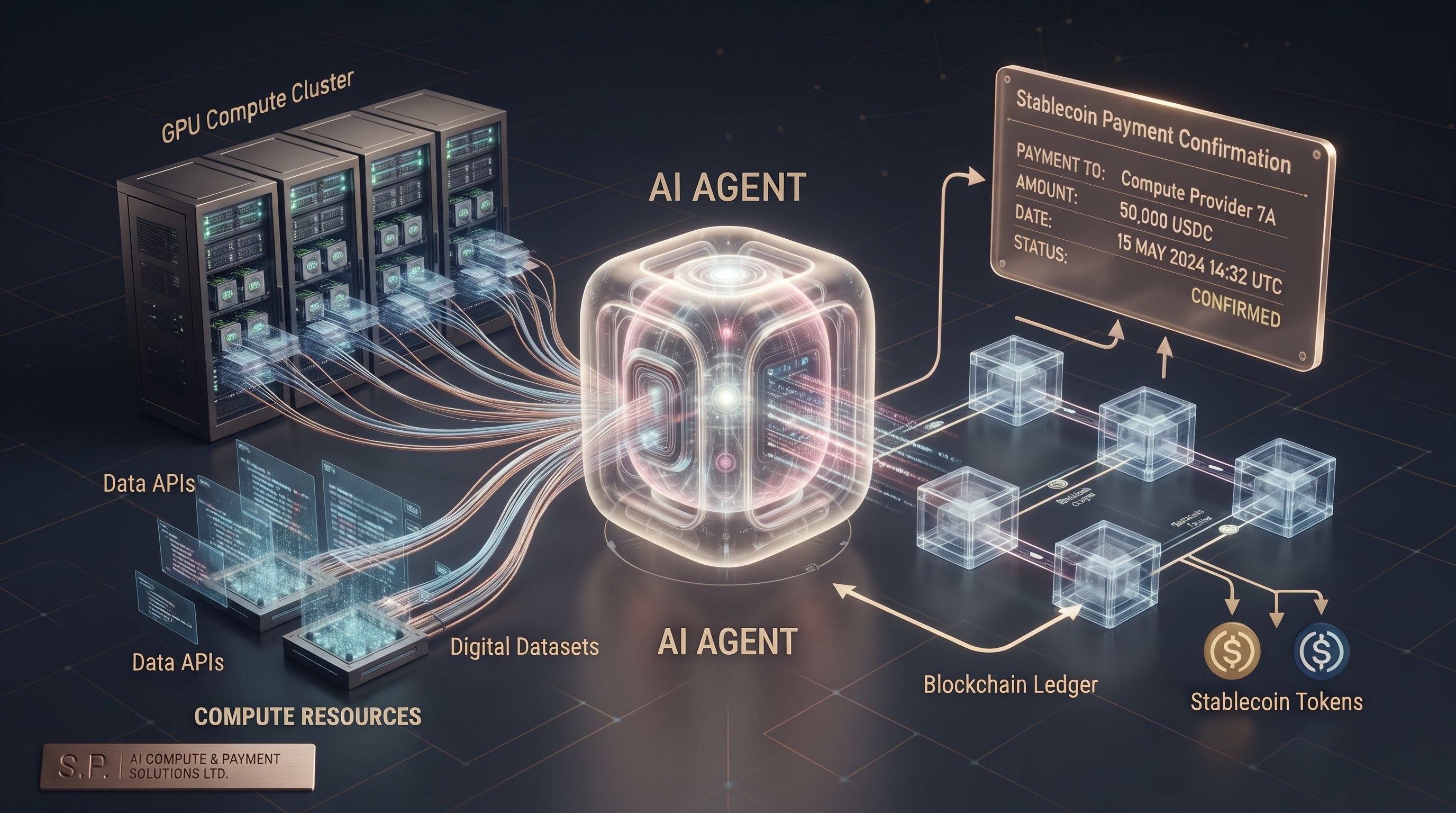
An AI model needs three things: data, compute, and a way to prove it did what it claims. Blockchain contributes to all three. It provides a tamper-resistant record of training data, a payment rail for distributed compute, and cryptographic proofs that an output came from a specific model and input. That is the technical core of AI blockchain integration, and it explains why the two fields keep converging.
Where AI adds real value to crypto today
- Trading and liquidity: AI trading bots read order books and on-chain flow to size positions faster than a human can.
- Risk and fraud detection: anomaly models flag suspicious wallet behaviour before funds leave a protocol.
- Onboarding: AI assistants explain token mechanics, authorities, and risks to first-time holders.
- Analytics: models summarise wallet activity and protocol health in plain language.
Decentralised AI versus centralised compute
Training frontier models requires enormous compute, which today sits with a few firms. Decentralised AI proposes the opposite: many contributors supply compute or data and get paid in tokens. The idea is appealing, but the hard part is verification. Without a way to prove that a remote worker genuinely ran a model, the market can be gamed. Zero-knowledge proofs and optimistic verification are the current answers, and neither is fully solved yet.
AI crypto use cases compared
| Use case | Maturity | Main limitation |
|---|---|---|
| Trading automation | Live and widely used | Model risk, overfitting |
| Fraud detection | Growing | False positives |
| Data provenance | Early | Adoption and standards |
| Decentralised compute | Experimental | Verification |
FAQ: AI and crypto integration
Is AI crypto integration just a narrative? Partly. Trading tools and fraud detection are real products; many AI tokens are still infrastructure without traction.
Can AI make token creation safer? It helps at the detection layer, but the underlying transparency comes from the blockchain, not the model.
What can a beginner build today? Start with a real token using the Solana token creator, then add an AI analytics or bot layer on top of its market data.
Bottom line on AI crypto integration
AI and blockchain combine best where one supplies trust and the other supplies judgement. Trading automation and fraud detection already show that pattern working. Decentralised compute and data markets are earlier, and their success depends on verification rather than enthusiasm.
For builders, the practical path is a working product with a real token behind it. Launch with the no-code Solana token creator, distribute it with an airdrop, and add liquidity so the market can price your idea.
Disclaimer: This article is for information and education only and is not financial, investment, or tax advice. Crypto assets are volatile and you can lose money. Always verify token authorities and contract details yourself before interacting with any asset.

About Solsmint
Solsmint publishes hands-on guides about Solana, SPL tokens, DeFi, and NFTs based on direct use of the tools described. Every article names its author and dates, and corrections are reviewed after a request via our contact page. Read more about our editorial approach.
Last updated: