
How to Make a Crypto Coin: Step-by-Step Guide for Beginners
Learning how to make a crypto coin is much easier today than it used to be. With the right planning, clear tokenomics, and simple no-code tools, beginners can launch a token without building a blockchain from scratch.

admin
Author
Introduction
If you have ever searched for how to make a crypto coin, you are probably trying to understand two things: what the process actually involves, and whether you can do it without coding. The short answer is yes — in many cases, you can.
This guide explains the full process in a simple, professional way. You will learn what a crypto coin is, how it differs from a token, what tools you need, how to launch one on Solana, and how to do it in a way that supports SEO, GEO, and AIO content standards.
Disclaimer: This article is for informational purposes only and does not constitute financial or investment advice. Always do your own research (DYOR) before making any financial decisions.
What Is a Crypto Coin?
A crypto coin is a digital asset that exists on a blockchain and can be used for payments, transfers, trading, or community utility. In many cases, people use the word “coin” to describe any crypto asset, even when the asset is technically a token.
The key idea is simple: a coin lives on a blockchain, and its value depends on the purpose, supply, demand, and trust behind it. If you want to create one, you need to decide what problem it solves and how people will use it.
Coin vs Token
Many beginners confuse coins and tokens, but the difference matters.
-
A coin is usually the native asset of a blockchain, like SOL on Solana or ETH on Ethereum.
-
A token is created on top of an existing blockchain.
For most creators, especially beginners, launching a token is the faster and easier path. That is why many people search for how to make a crypto coin when they really mean how to create a token with a useful brand and launch plan.
Do You Need Coding to Make a Crypto Coin?
Not necessarily. In the past, creating a crypto asset often required smart contract development, blockchain knowledge, and technical deployment work.
Today, no-code tools have made the process much easier. That means creators, marketers, communities, and founders can launch a token with a basic setup, a wallet, and a clear plan.
How to Make a Crypto Coin Step by Step
Here is the simplest beginner-friendly process.
1. Define the purpose
Decide why your coin exists. It could be for community access, rewards, a brand, gaming, creator engagement, or a meme project.
2. Choose the blockchain
Pick the chain that fits your goals. Solana is popular because of its low fees and fast transactions.
3. Set your tokenomics
Tokenomics means the rules behind your coin. You should decide:
-
total supply,
-
decimals,
-
distribution,
-
mint or burn permissions,
-
airdrop strategy.
4. Prepare branding
Before launch, create:
-
a name,
-
a ticker symbol,
-
a logo,
-
a short description,
-
social media accounts,
-
a simple landing page if possible.
5. Use a wallet
You need a compatible wallet to approve transactions and manage your asset. Keep your recovery phrase safe and never share it.
6. Create the coin
Use a trusted no-code platform or deployment tool to create your token. Enter the token name, symbol, supply, and settings, then confirm the transaction.
7. Add liquidity if needed
If you want people to trade the asset, you need liquidity on a decentralized exchange. This step helps create a market for the coin.
8. Launch and promote
Announce the project clearly. Share the utility, the supply, and the purpose. Use social channels, communities, and search-optimized content to build awareness.
How to Create a Token on Solsmint.com
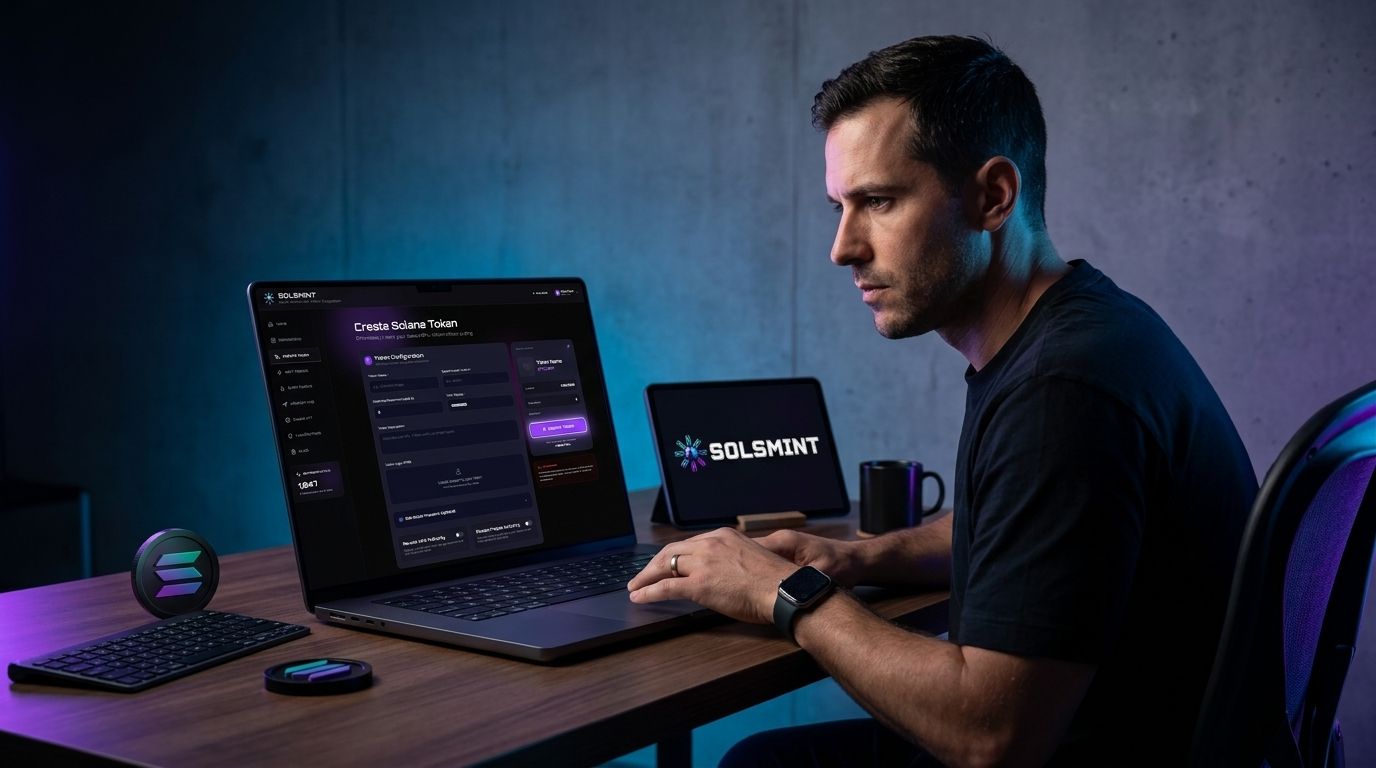
If your goal is to launch on Solana, solsmint.com can be a practical no-code option. It is built for users who want a simple way to create tokens, mint and burn, run airdrops, create NFTs, and add liquidity without platform fees.
A simple Solsmint-style launch flow looks like this:
-
Connect your wallet.
-
Enter your token name, symbol, and supply.
-
Choose your mint, burn, or freeze settings.
-
Review the details carefully.
-
Confirm the creation transaction.
-
Add liquidity if you want the token tradable.
-
Share the token with your community.
This kind of workflow is useful because it removes technical friction. Instead of worrying about smart contract setup, you can focus on branding, tokenomics, and launch strategy.
If you're building on Solana, solsmint.com makes it easy to create tokens, mint NFTs, and launch with no platform fees — starting at ~0.05 SOL. Always verify current fees and features at solsmint.com.
How Much Does It Cost?
The cost depends on the blockchain, the tools you use, and whether you add liquidity. On Solana, basic creation costs are often lower than on more expensive chains, which is one reason beginners prefer it.
Still, the full budget may include:
-
token creation fees,
-
liquidity costs,
-
branding,
-
website setup,
-
community growth,
-
marketing content.
A cheap launch is not the same as a successful launch. The bigger challenge is creating trust and demand after the coin goes live.
Benefits and Risks
Launching a crypto coin can be useful, but it also comes with risk.
Benefits
-
You can launch quickly.
-
You can start without coding in many cases.
-
You can build a community around your idea.
-
You can test a brand or concept with low initial cost.
-
You can attract attention if the project is well packaged.
Risks
-
Many coins fail to gain traction.
-
Poor tokenomics can damage trust.
-
Liquidity issues can hurt holders.
-
Scams and rug pulls are common in the market.
-
Regulatory concerns may apply depending on how the project is marketed.
Best Practices for a Better Launch
If you want your project to look professional, follow these basics:
-
Keep the token idea simple.
-
Explain the purpose clearly.
-
Use transparent tokenomics.
-
Secure admin permissions.
-
Avoid unrealistic promises.
-
Build a strong community before launch.
-
Publish clear updates after launch.
-
Add liquidity responsibly.
-
Use SEO-friendly content to explain the project.
One useful example is a creator who launches a community coin with a fixed supply, a simple website, and a short X thread explaining the purpose. That setup is much easier for users to understand than a vague, hype-only launch.
FAQ
How do I make a crypto coin without coding?
Use a no-code token creation platform, connect your wallet, enter your token details, and confirm the transaction. This is the easiest beginner path.
Is it expensive to make a crypto coin?
It can be affordable on low-fee chains like Solana, but total cost depends on liquidity, branding, and marketing.
Can I launch a coin and a token the same way?
Not always. A coin is usually the native asset of a chain, while a token is created on top of it. Most beginners are actually creating a token.
What makes a crypto coin successful?
Clear utility, simple branding, trust, liquidity, and active community support are usually more important than just launching fast.
Is Solana good for beginners?
Yes. Solana is often chosen for its low fees, fast confirmations, and no-code creation options.
Conclusion
Learning how to make a crypto coin is no longer reserved for developers. With the right blockchain, clear tokenomics, and a simple launch flow, beginners can create and launch much faster than before.
If your goal is to build on Solana, solsmint.com gives you a straightforward path to create tokens, mint NFTs, and launch without platform fees. Always verify current fees and features before you start.
About admin
Crypto enthusiast and blockchain analyst with expertise in the Solana ecosystem. Passionate about educating others on the potential of decentralized technologies and DeFi innovations.